
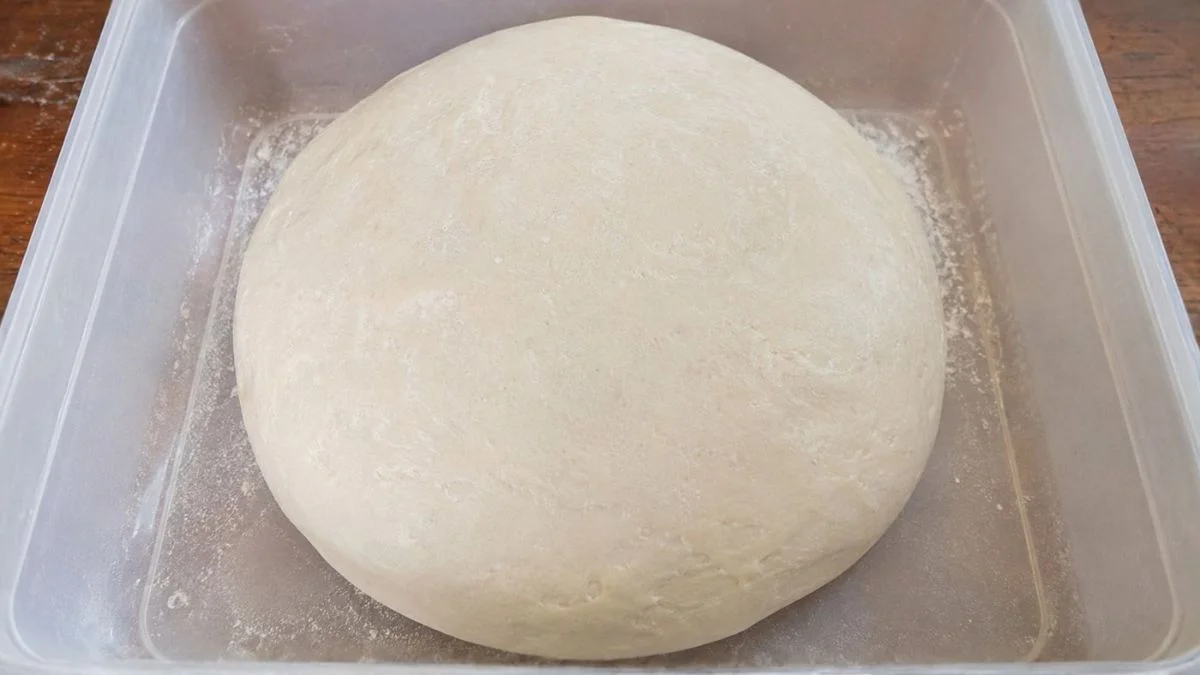
The famous lucali pizza dough recipe has earned a loyal following thanks to its thin crust, incredible texture, and rich flavor developed through slow fermentation. Made with just a handful of carefully measured ingredients, this dough delivers the perfect balance of crispness and chewiness that pizza lovers crave.
A combination of high-gluten flour, diastatic malt powder, and an extended cold proof creates a dough with exceptional structure and depth of flavor. The lengthy fermentation process allows the dough to develop a light, airy interior while maintaining enough strength to support your favorite toppings.
Make This pizza unforgettable by using Ike’s Dirty Sauce or Waffle House Sauce, adding creamy, tangy flavor to every bite.
Homemade pizza nights become even more rewarding with this recipe. Whether you’re aiming to recreate a classic New York-style pie or experiment with your own toppings, this Lucali-inspired dough provides a reliable foundation for producing bakery-quality pizza right from your kitchen.
My Experience and How Does This Recipe Taste
The first time I made this lucali pizza dough recipe, I was surprised by how much flavor developed from such a short ingredient list. The long cold fermentation transformed the dough, creating subtle complexity and a rich aroma that reminded me of classic New York pizzerias.

Once baked, the crust develops a beautiful golden-brown color with delicate blistering around the edges. The exterior becomes lightly crisp while the interior remains tender and chewy. Every bite offers a satisfying balance of texture that supports toppings without becoming heavy.
Flavor-wise, the dough has a mild sweetness from the diastatic malt powder and a pleasant depth created during fermentation. It doesn’t overpower the toppings but instead enhances every ingredient placed on top, making it an ideal base for both classic and creative pizzas.
Lucali Pizza Dough Ingredients
- 765 grams high-gluten flour (14% protein)
- 14 grams diastatic malt powder
- 2 grams instant dry yeast
- 436 grams room temperature water
- 19 grams salt
Kitchen Utensils Needed
- Stand mixer with dough hook
- Large mixing bowl
- Digital kitchen scale
- Bench scraper
- Dough containers or proofing containers
- Measuring spoons
- Plastic wrap or lids
- Rolling pin
- Pizza stone or baking steel (optional)
Preparation and Cooking Time
- Preparation Time: 30 minutes
- First Rise Time: 2 hours
- Cold Fermentation Time: 36–48 hours
- Total Time: Approximately 38–50 hours
- Servings: 4 pizza dough balls
- Yield: Four 300-gram pizza crusts
Lucali Pizza Dough Recipe Steps
Step 1: Combine Dry Ingredients
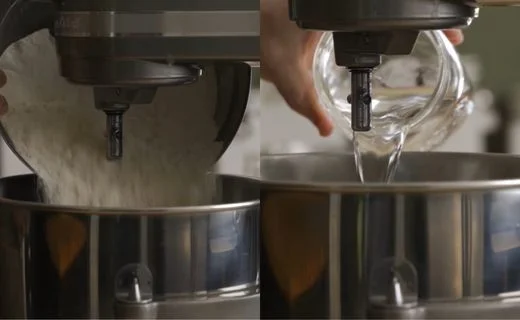
Add the high-gluten flour, diastatic malt powder, and instant dry yeast to the bowl of a stand mixer. Whisk briefly to evenly distribute the ingredients.
Step 2: Add Water and Mix
Pour the room-temperature water into the bowl. Using the dough hook attachment, mix on low speed for several minutes until the ingredients just come together into a rough dough.
Step 3: Autolyse the Dough
Stop the mixer and allow the dough to rest for 10–20 minutes.
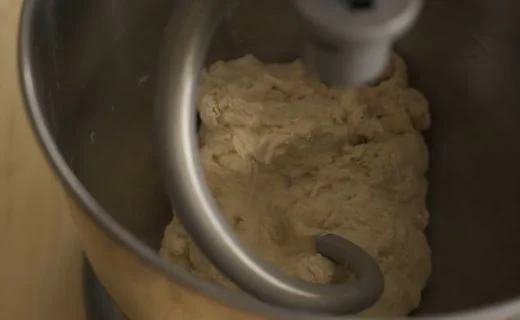
This hydration period helps the flour absorb water and improves dough development.
Step 4: Add Salt and Knead
Add the salt to the dough. Mix on low to medium speed for approximately 10 minutes until the dough becomes smooth, silky, and elastic.
Step 5: Form a Tight Dough Ball
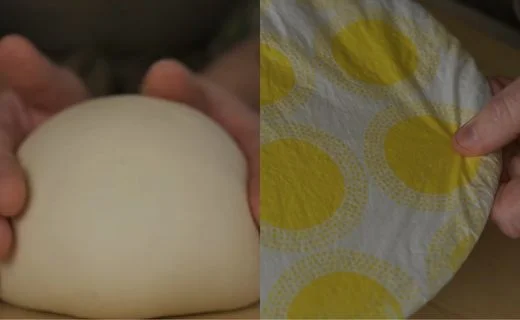
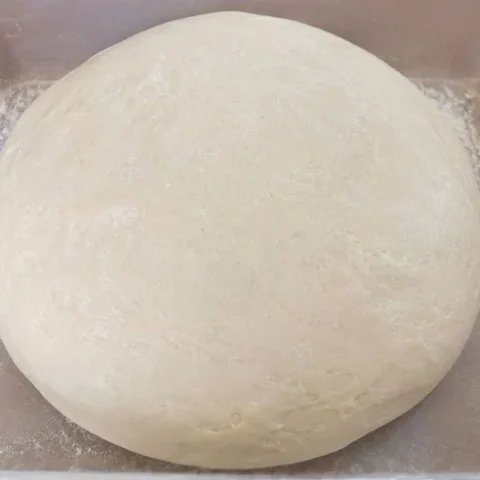
Transfer the dough to a clean work surface. Using a bench scraper, shape it into a tight ball with strong surface tension.
Step 6: First Fermentation
Place the dough ball into a bowl and cover it.
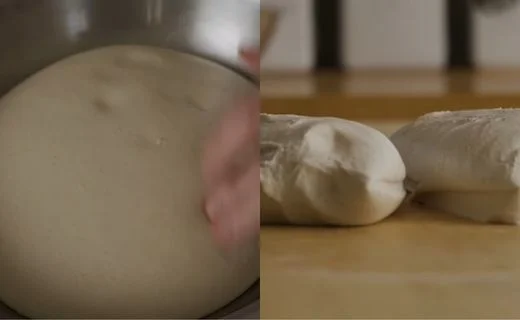
Let it rise at room temperature for about 2 hours or until it doubles in size.
Step 7: Divide the Dough
Turn the dough onto the counter and divide it into four equal portions, each weighing approximately 300 grams.
Step 8: Shape Individual Dough Balls
Shape each portion into a tight, smooth dough ball. Proper shaping helps maintain structure during fermentation.
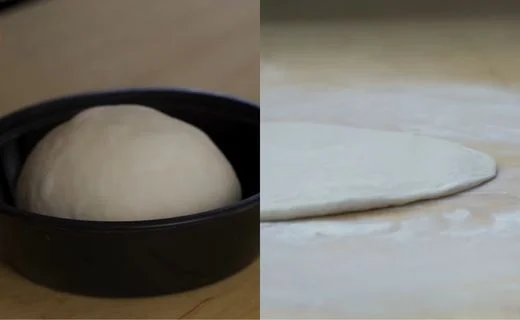
Step 9: Cold Ferment
Place each dough ball into a lightly greased container. Cover and refrigerate for 36–48 hours. This slow fermentation develops flavor and improves texture.
Step 10: Roll and Use
After fermentation, remove the dough from the refrigerator.
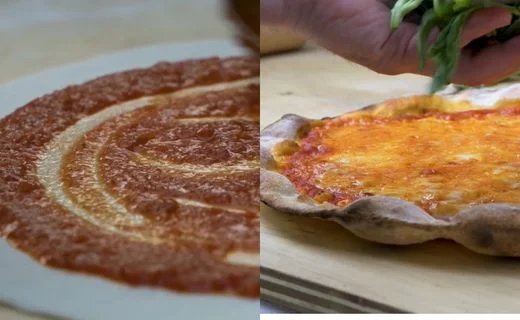
Roll each dough ball thin using a rolling pin and prepare your pizza with your favorite toppings.
Customization and Pairing Ideas
In my experience, this Lucali pizza dough tastes incredible with fresh mozzarella, basil, and hot honey. I also love serving it alongside a crisp arugula salad, which perfectly balances the chewy, flavorful crust.
1. Classic Margherita Style
Top the dough with crushed tomatoes, fresh mozzarella, basil leaves, and a drizzle of olive oil. This simple combination allows the crust’s flavor to shine.
2. Pepperoni and Hot Honey
Create a modern pizzeria favorite by adding pepperoni slices and finishing the baked pizza with a drizzle of hot honey for sweet and spicy contrast.
3. White Pizza Variation
Skip the tomato sauce and use ricotta, mozzarella, garlic, and parmesan cheese. The creamy toppings pair beautifully with the crisp crust.
4. Mushroom Lover’s Pizza
Top with sautéed mushrooms, mozzarella, thyme, and roasted garlic. The earthy flavors complement the dough’s fermented character.
5. Fresh Salad Pairing
Serve slices alongside an arugula salad dressed with lemon juice and olive oil. The bright acidity balances the richness of the pizza.
6. Protein-Packed Option
Add grilled chicken, Italian sausage, or prosciutto for a heartier meal. These proteins work particularly well with the chewy texture of the crust.
7. Beverage Pairings
Pair your pizza with sparkling water, craft soda, iced tea, or a light red wine. Refreshing beverages help cleanse the palate between bites and enhance the overall dining experience.
Tips for Making the Best Lucali Pizza Dough Recipe
From my experience, allowing the dough to complete the full 48-hour cold fermentation produces the best flavor and texture. Also, let the dough sit at room temperature for 1 hour before rolling for easier shaping.
1. Use High-Gluten Flour for Authentic Texture
The success of this lucali pizza dough recipe depends heavily on high-gluten flour with around 14% protein. This creates the strong gluten network needed for a chewy yet crisp New York-style crust.
2. Don’t Skip the Autolyse Rest
Allowing the dough to rest for 10–20 minutes before adding the salt helps the flour fully absorb the water. This simple step improves dough elasticity and makes the final crust easier to work with.
3. Measure Ingredients by Weight
For consistent results, use a digital kitchen scale instead of measuring cups. Precise measurements ensure proper hydration and help achieve the signature texture of this pizza dough.
4. Develop Good Surface Tension
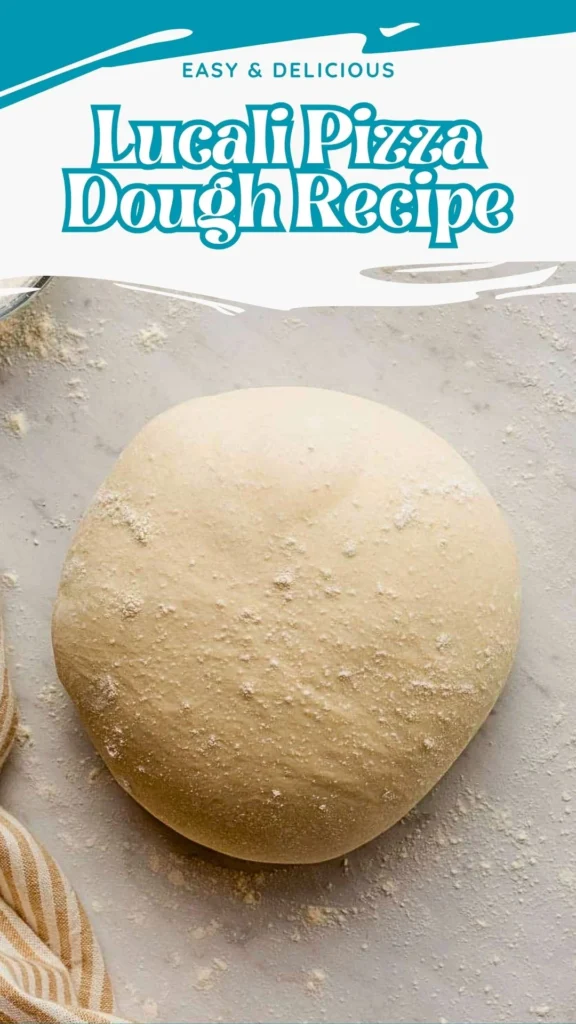
When shaping the dough balls, create a tight outer surface by gently pulling the dough underneath itself. This helps the dough maintain its structure and rise properly during fermentation.
5. Give the Dough the Full Cold Fermentation Time
The 36–48 hour refrigeration period is where most of the flavor develops. While it may be tempting to use the dough sooner, the extended fermentation creates a deeper taste and better texture.
6. Let the Dough Warm Up Before Rolling
Remove the dough from the refrigerator about 30–60 minutes before shaping. Slightly warmed dough is more relaxed, easier to roll thin, and less likely to spring back.
7. Bake on a Preheated Pizza Stone or Steel
For the crispiest crust, preheat a pizza stone or baking steel thoroughly before baking. The intense heat helps create the characteristic crispy bottom and beautifully browned crust associated with great pizzeria-style pizza.
Storage and Reheating Guidance
Store unused dough balls in airtight containers in the refrigerator for up to 3 days after fermentation. You can also freeze them for up to 3 months. Thaw overnight in the refrigerator before use. Reheat baked pizza in a hot oven or skillet for the best crispy texture.
Frequently Asked Questions
Your guide to frequently asked Lucali Pizza Dough Recipe questions and answers.
How is the dough stretched?
From our experience, this dough is typically rolled thin with a rolling pin rather than hand-stretched like a Neapolitan pizza. After the cold fermentation, the dough becomes very elastic and easy to work with. We recommend letting it sit at room temperature for 30–60 minutes before rolling for the best results.
How long should the dough ferment (proof)?
We’ve found that the dough performs best after a 36–48 hour cold fermentation in the refrigerator. This extended proofing time develops deeper flavor, improves texture, and creates the signature chewiness associated with Lucali-style pizza. The dough also receives an initial 2-hour rise at room temperature before refrigeration.
What makes Lucali dough different from other NY-style pizzas?
In our experience, the biggest difference is the long cold fermentation and the use of high-gluten flour. The dough develops a unique balance of crispness and chewiness while maintaining a thin, sturdy structure. It also tends to be rolled thinner than many traditional New York-style pizza crusts.
Can I make this dough without diastatic malt powder?
Yes, we’ve made the dough without diastatic malt powder when it wasn’t available. While the crust still turns out well, the malt powder helps improve browning, fermentation activity, and overall flavor. If possible, we recommend using it for the most authentic results.
Why is high-gluten flour important for this recipe?
Based on our testing, high-gluten flour provides the strength needed to create the chewy texture that makes this dough special. The higher protein content helps develop a stronger gluten network, resulting in a crust that is both crisp and pleasantly elastic.
Can I freeze the dough balls?
Absolutely. We’ve successfully frozen individual dough balls after shaping them. Store them in airtight containers or freezer bags for up to three months. When ready to use, thaw them overnight in the refrigerator and allow them to come closer to room temperature before rolling.
How do I know when the dough is properly fermented?
In our experience, properly fermented dough will feel airy, slightly puffy, and easier to stretch or roll. You should notice a pleasant yeasty aroma and visible expansion in the dough ball. If it still feels dense and tight, it may benefit from additional fermentation time.
Can I use all-purpose flour instead of high-gluten flour?
You can, but we’ve noticed a significant difference in texture. All-purpose flour produces a softer crust with less chew. If high-gluten flour isn’t available, bread flour is usually the best substitute and provides a closer result.
Should the dough be brought to room temperature before using?
Yes. We typically remove the dough from the refrigerator about 30–60 minutes before shaping. This makes the dough more relaxed and easier to roll thin without springing back excessively.
What is the best way to bake this pizza dough?
From our experience, a preheated pizza stone or baking steel produces the best results. A very hot oven helps create a crispy bottom crust while keeping the interior tender and chewy. The hotter the baking surface, the closer you’ll get to a pizzeria-style finish.
Want To Save This Recipe?
Enter your email and we’ll send this recipe straight to your inbox.
Lucali Pizza Dough Recipe
The famous lucali pizza dough recipe has earned a loyal following thanks to its thin crust, incredible texture, and rich flavor developed through slow fermentation. Made with just a handful of carefully measured ingredients, this dough delivers the perfect balance of crispness and chewiness that pizza lovers crave. A combination of high-gluten flour, diastatic malt powder, and an extended cold proof creates a dough with exceptional structure and depth of flavor.
Ingredients
- 765 grams high-gluten flour (14% protein)
- 14 grams diastatic malt powder
- 2 grams instant dry yeast
- 436 grams room temperature water
- 19 grams salt
Instructions
Step 1: Combine Dry Ingredients
Add the high-gluten flour, diastatic malt powder, and instant dry yeast to the bowl of a stand mixer. Whisk briefly to evenly distribute the ingredients.
Step 2: Add Water and Mix
Pour the room-temperature water into the bowl. Using the dough hook attachment, mix on low speed for several minutes until the ingredients just come together into a rough dough.
Step 3: Autolyse the Dough
Stop the mixer and allow the dough to rest for 10–20 minutes. This hydration period helps the flour absorb water and improves dough development.
Step 4: Add Salt and Knead
Add the salt to the dough. Mix on low to medium speed for approximately 10 minutes until the dough becomes smooth, silky, and elastic.
Step 5: Form a Tight Dough Ball
Transfer the dough to a clean work surface. Using a bench scraper, shape it into a tight ball with strong surface tension.
Step 6: First Fermentation
Place the dough ball into a bowl and cover it. Let it rise at room temperature for about 2 hours or until it doubles in size.
Step 7: Divide the Dough
Turn the dough onto the counter and divide it into four equal portions, each weighing approximately 300 grams.
Step 8: Shape Individual Dough Balls
Shape each portion into a tight, smooth dough ball. Proper shaping helps maintain structure during fermentation.
Step 9: Cold Ferment
Place each dough ball into a lightly greased container. Cover and refrigerate for 36–48 hours. This slow fermentation develops flavor and improves texture.
Step 10: Roll and Use
After fermentation, remove the dough from the refrigerator. Roll each dough ball thin using a rolling pin and prepare your pizza with your favorite toppings.
Notes
Store unused dough balls in airtight containers in the refrigerator for up to 3 days after fermentation. You can also freeze them for up to 3 months. Thaw overnight in the refrigerator before use. Reheat baked pizza in a hot oven or skillet for the best crispy texture.
Nutrition Information:
Yield: 8 Serving Size: 1 Amount Per Serving: Calories: 160This lucali pizza dough recipe proves that exceptional pizza starts with great dough. With high-gluten flour, proper fermentation, and careful handling, you’ll create a crust that is crisp, chewy, and packed with flavor.
Give this recipe a try for your next pizza night and discover how homemade dough can elevate every slice. If you make it, share your results and favorite topping combinations in the comments.
If you enjoyed this recipe, be sure to save it and share it with friends. Don’t forget to follow us on Pinterest and YouTube for more cozy and comfort recipes.